


Burner applications

Our burners are designed to suit a wide range of industrial and commercial applications, offering reliability, energy efficiency and optimum performance.

Fan applications

Our fans are designed to meet the varied needs of industrial and commercial sectors, guaranteeing optimum ventilation and long-lasting performance.

Get an instant quote for the manufacture of your fans and burners in Tunisia

Burner applications

Our burners are designed to suit a wide range of industrial and commercial applications, offering reliability, energy efficiency and optimum performance.

Fan applications

Our fans are designed to meet the varied needs of industrial and commercial sectors, guaranteeing optimum ventilation and long-lasting performance.

Get an instant quote for the manufacture of your fans and burners in Tunisia

What is a burner?

Generally incorporated into the operation of a boiler, the burner is the mechanical element that brings a fuel (gas or oil) into contact with oxygen-charged combustion air. This process produces heat through combustion. The fuel oil or gas required for combustion arrives at the burner from its storage location: a tank for fuel oil, or a connection for town gas.
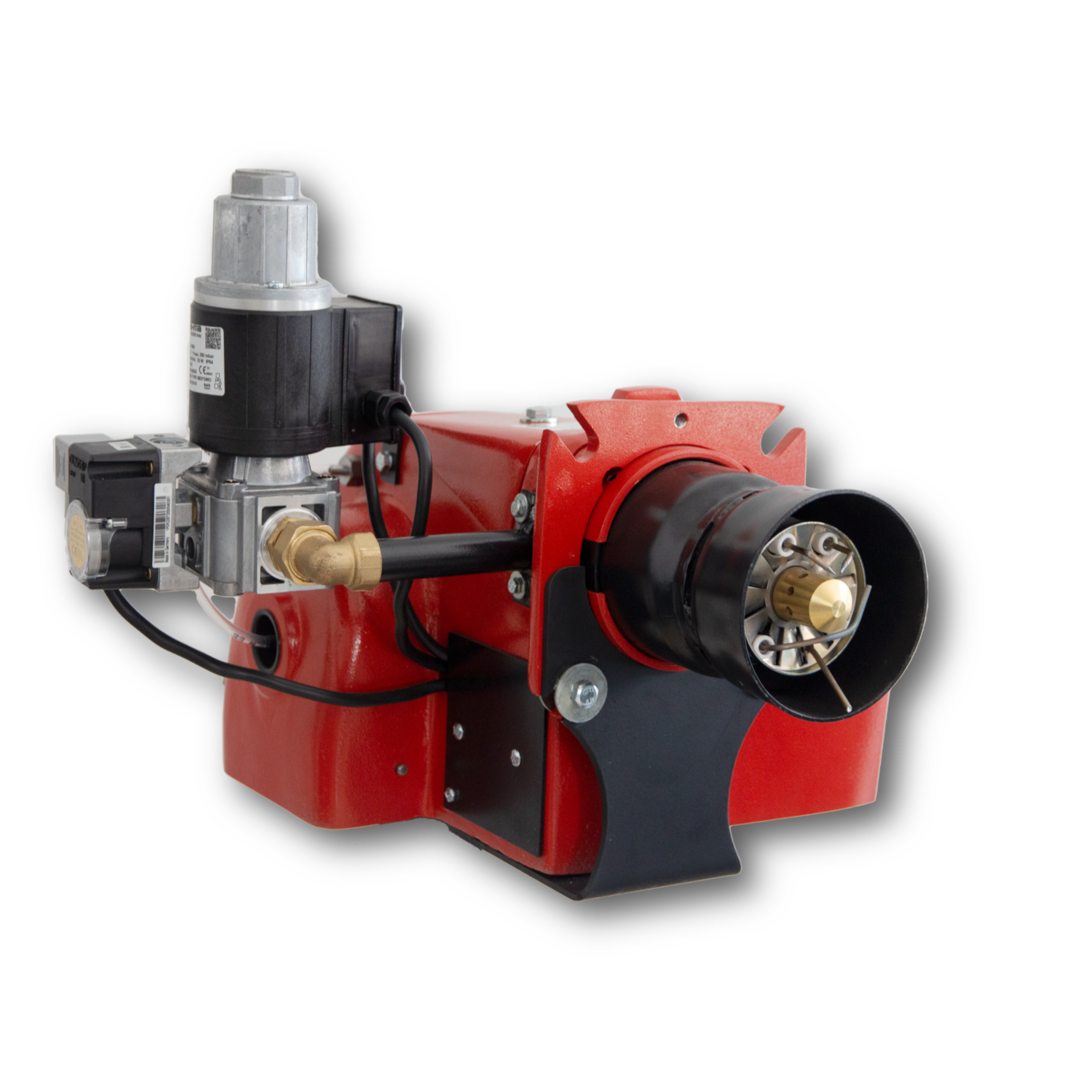
Gas burners
A gas burner is a device designed to produce a flame by burning gas, such as propane, butane or natural gas...
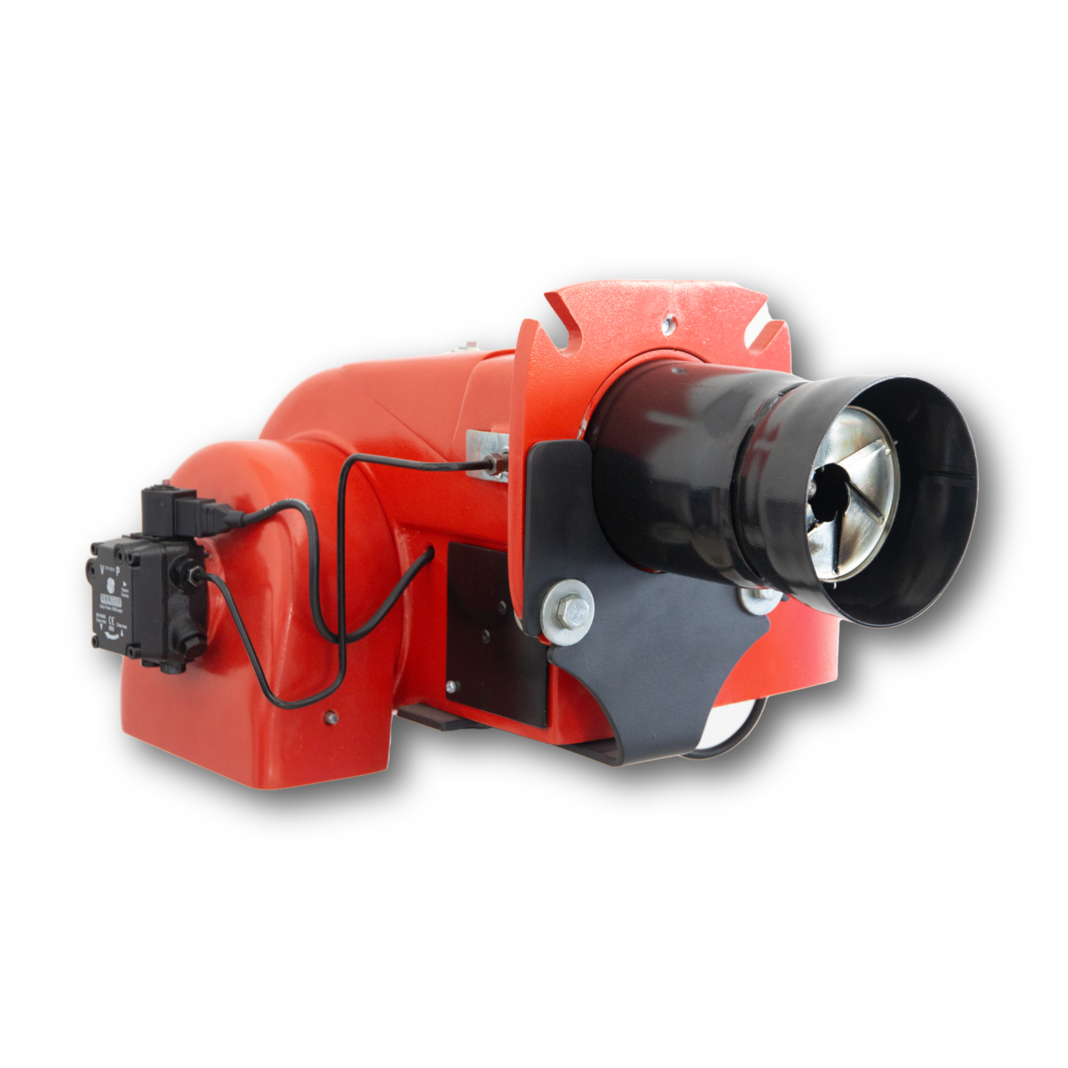
Oil burners
An oil burner, also known as a fuel oil burner, is a device designed to burn fuel oil...
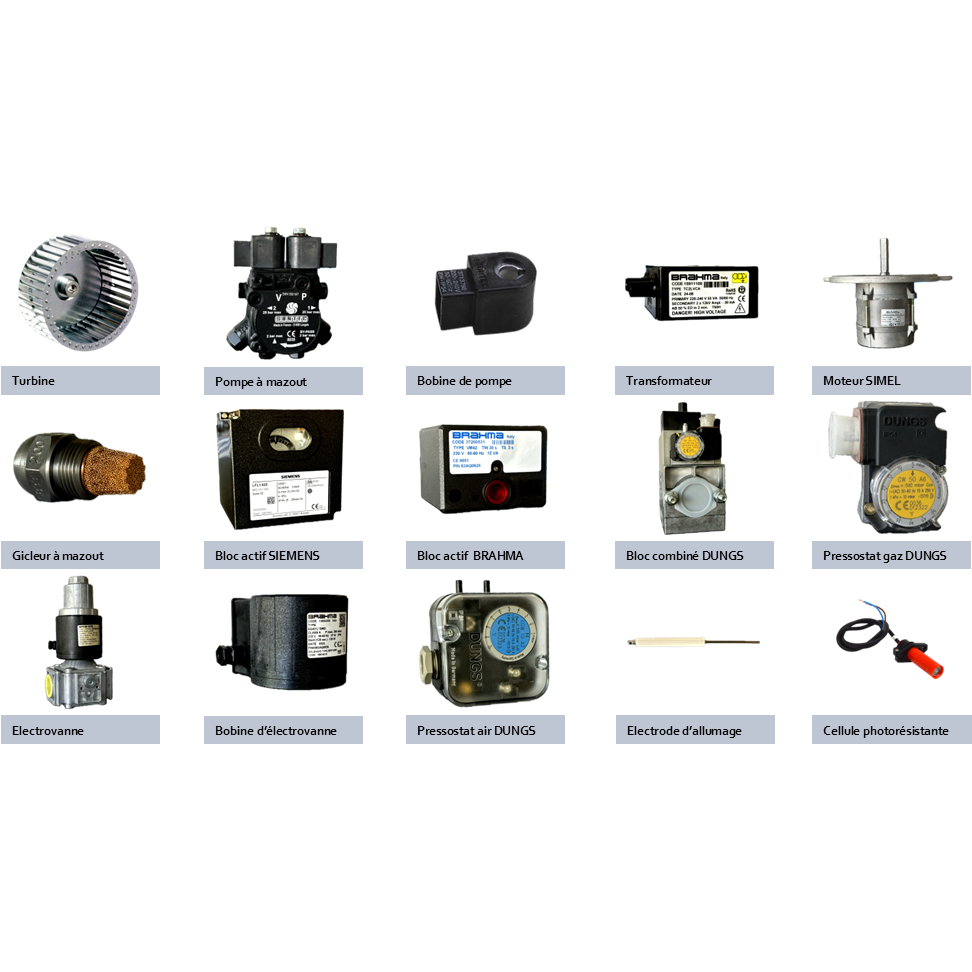
Burner accessories
Thanks to our network of renowned partners, we provide fast, efficient after-sales service and maintenance, ...

Our burners are forced-air burners. Manufactured with high-quality components, they offer high performance, enhanced reliability and durability, as well as compliance with applicable standards and regulations.
Burner history

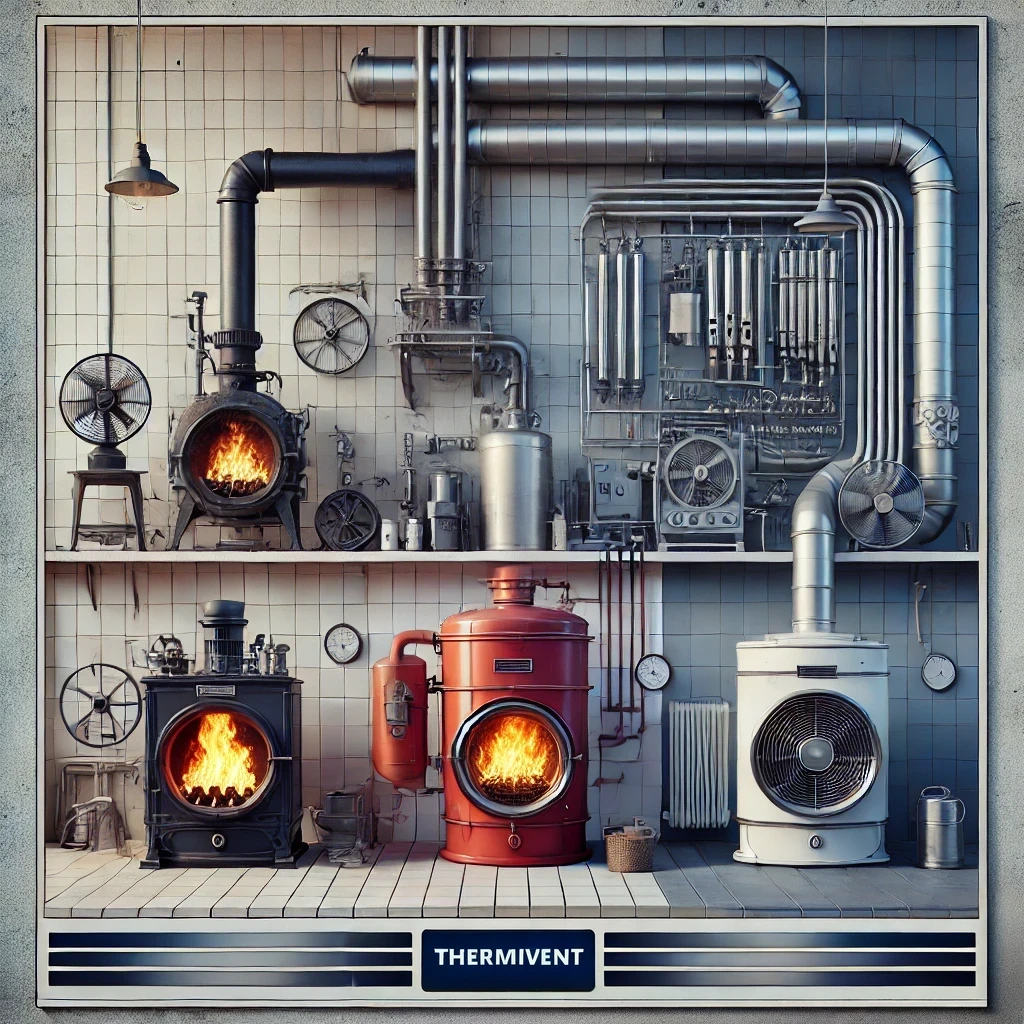
Early burners used the principle of atmospheric combustion, where fuel was mixed with ambient air and burned in an open combustion chamber. These burners were simple and economical, but had drawbacks such as high pollutant emissions and limited energy efficiency.

During the 20th century, forced-air burners became popular for their ability to provide an optimum mixture of fuel and air, enabling more complete and efficient combustion. Forced-air burners use a fan to deliver pressurized air to the burner, promoting precise control of the air-fuel ratio and reducing pollutant emissions. 

Pre-mix burners are a further evolution of forced-air burners, introducing an additional stage where the fuel is pre-mixed with air before being introduced into the combustion chamber. This ensures a homogeneous, stable mixture, promoting more efficient combustion and further reducing pollutant emissions. But they are often more complex and costly. Pre-mix burners are widely used in industrial applications where strict emission standards must be met.

Burner components

Burner body
This is the burner's main structure, housing the various components and channels through which fuel and air are conveyed and mixed.
Combustion head
This is the part of the burner where fuel and air are mixed and ignited to produce a flame. It consists of a nozzle and a deflector. The role of the nozzle is to guide the burner flame, while the role of the deflector is to ensure that the flame doesn't go out and keeps burning.
Injectors

Injectors control the flow of fuel into the burner. They are usually fitted with pressure regulators to adjust the fuel flow as required. 

The oil pump

is used to supply oil burners. It is connected from the oil storage tank to the burner. To avoid shortages or surpluses, the nozzle is used to disperse the oil in droplets, facilitating its mixing with air, and ensuring high combustion efficiency.

The solenoid valve
is used to feed gas burners. It automatically controls the gas supply to the nozzle, ensuring that it has the right amount of fuel for combustion. 
Ignition device

Electrodes ignite the burner flame when your system is switched on

Fan

In forced-air burners, a fan is used to supply pressurized air to the burner, ensuring optimum mixing of fuel and air.

Combustion control

Control boxes automatically monitor and adjust the air-fuel ratio to ensure optimum combustion and maximize energy efficiency.

Safety system

The pressure switch
continuously measures the gas pressure in the system. In the event of a pressure drop or gas leak, the pressure switch can cut off the gas supply to prevent serious accidents such as flammable gas leaks or explosions.
The ionization electrode
detects the presence of the flame by measuring the electrical conductivity of the ionized air around the flame. If the flame goes out during burner operation, the ionization electrode ceases to be conductive, signalling the burner's safety system to cut off the gas supply immediately to prevent unburned gas build-up and other potential hazards.
The photoresist cell

reacts directly to the light emitted by the flame, allowing the burner to be shut down immediately (i) if the flame does not appear when the fuel is released, (ii) if the flame disappears during operation, and (iii) if a stray flame appears while the burner is starting up. The aim is to avoid spraying fuel oil into a boiler without burning it. Inadvertent ignition of a flooded furnace could cause an explosion.

Tunisian leader

Take action, order your fan today

Take control of your comfort, order your fan today and breathe fresh air at home.