Our burners are designed to suit a wide range of industrial and commercial applications, offering reliability, energy efficiency and optimum performance.
Our burners are designed to suit a wide range of industrial and commercial applications, offering reliability, energy efficiency and optimum performance.
Whether you are an individual or a professional, our team is at your disposal to repair your burners with quality accessories.
Join our network of distributors and take advantage of a unique opportunity to develop your business with high-quality spare parts, renowned for their performance and reliability.
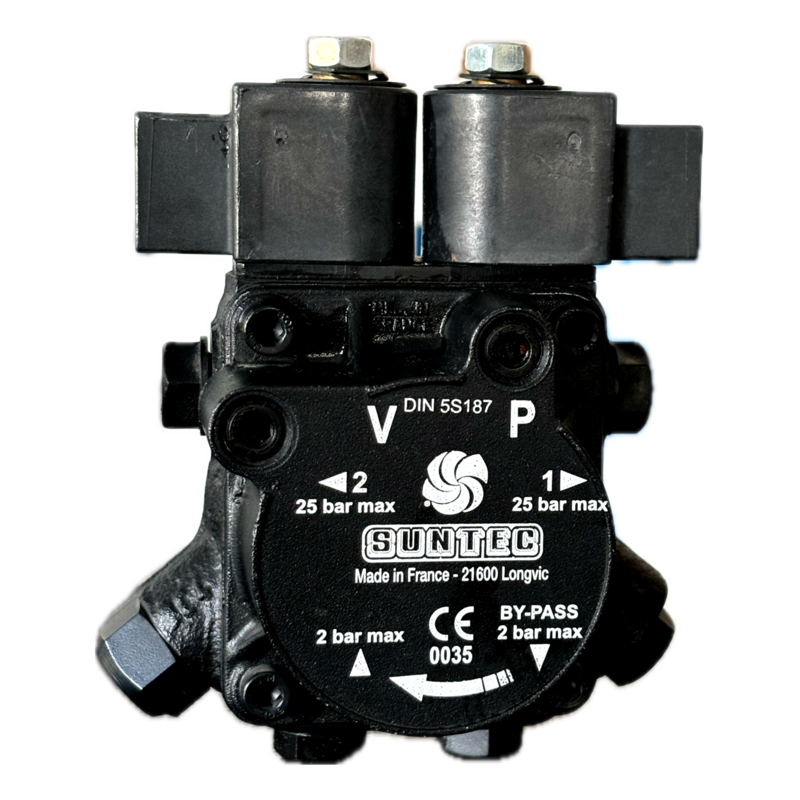
The oil pump is responsible for drawing oil from the storage tank and transferring it to the burner's combustion chamber. It provides a regulated fuel flow to maintain constant, efficient combustion. It maintains constant fuel pressure to ensure even fuel distribution in the burner. Adequate pressure is essential for stable, optimum combustion.
The transformers in a burner play a crucial role in supplying the high voltage needed to ignite the flame, as well as powering the system's electrical and safety components. Whether for ignition, control or safety, they contribute to the burner's smooth operation and safety by providing a reliable power supply tailored to the system's specific needs.
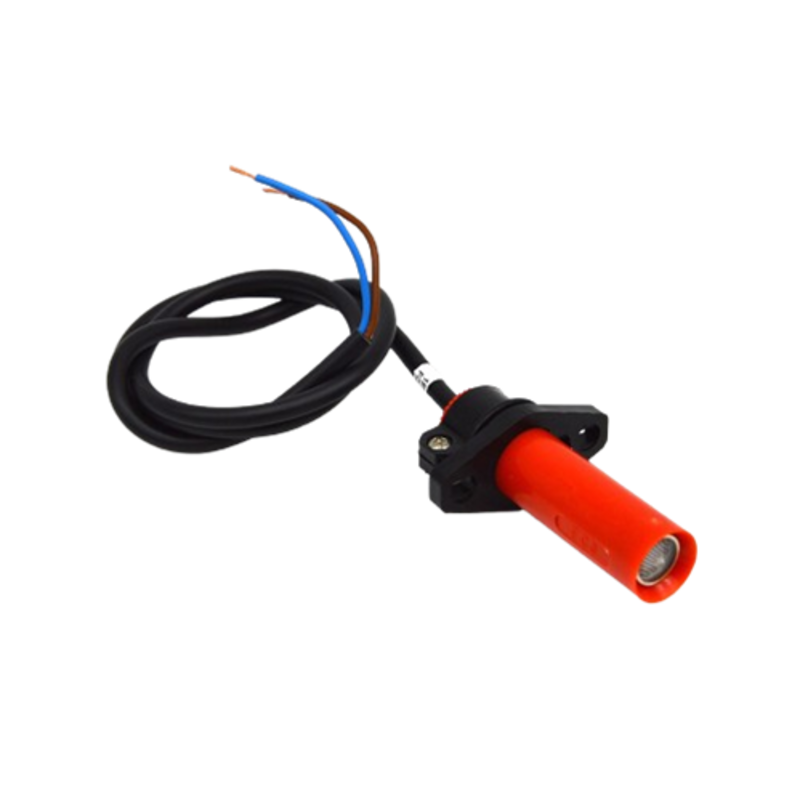
The photoresist cell is positioned so as to be exposed to the light emitted by the burner flame. When the flame is lit, it produces visible light as well as infrared and ultraviolet radiation.
The photoresist cell is made of a semiconductor material whose electrical resistance varies according to the intensity of the light striking it. When the flame is present and emitting light, the resistance of the photoresist cell decreases.
If the flame is accidentally extinguished during burner operation, the photoresist cell ceases to detect the light emitted by the flame. The burner control system then reacts accordingly, usually interrupting the gas supply for safety reasons.
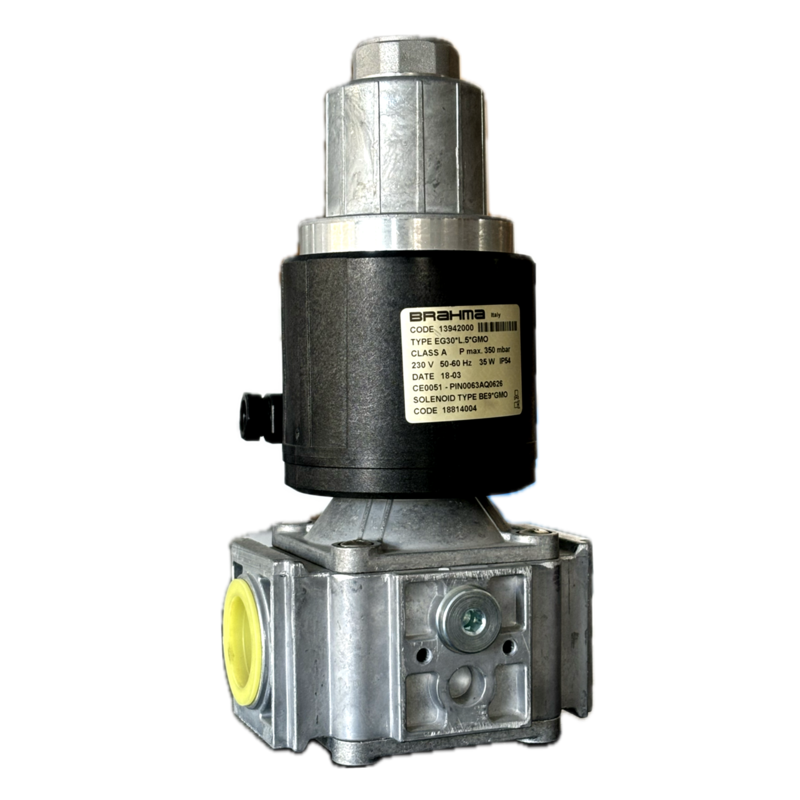
The solenoid valve regulates the opening and closing of the fuel supply circuit to the burner. When activated by the burner control system, it allows fuel to flow to the combustion chamber, enabling burner start-up and operation. When deactivated, it blocks the flow of fuel to shut down the burner.
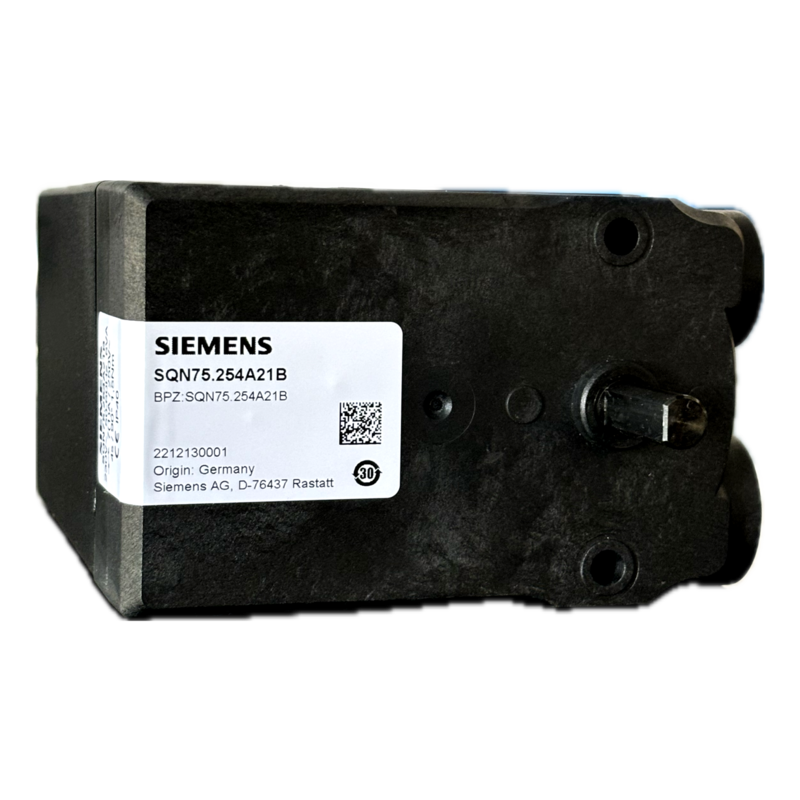
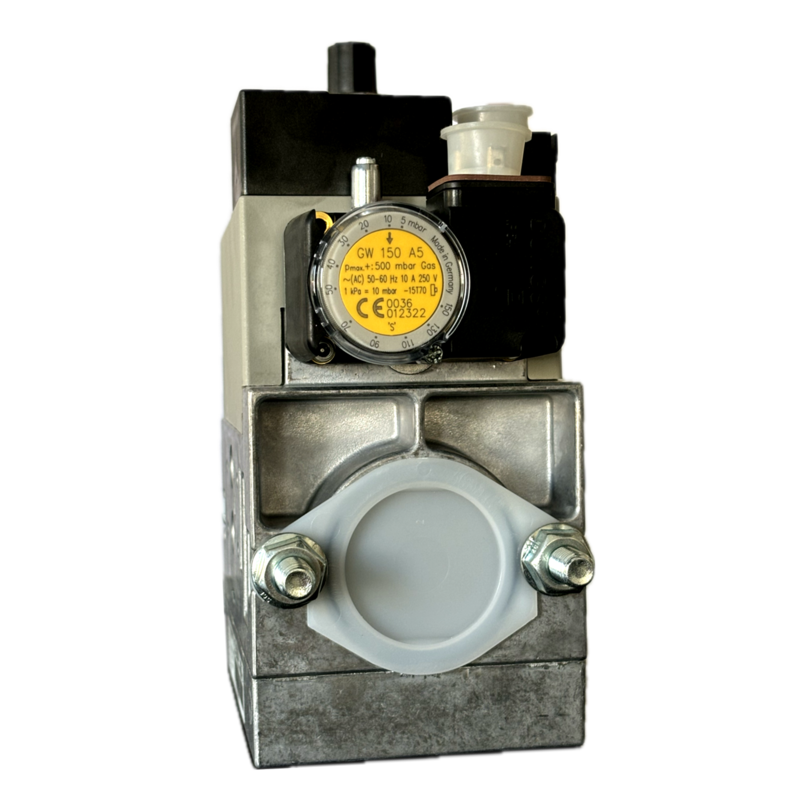
The combi block is an integrated set of components designed to control various aspects of burner operation, including combustion, electrical components, safety and actuators, providing a compact and efficient solution for burner control.
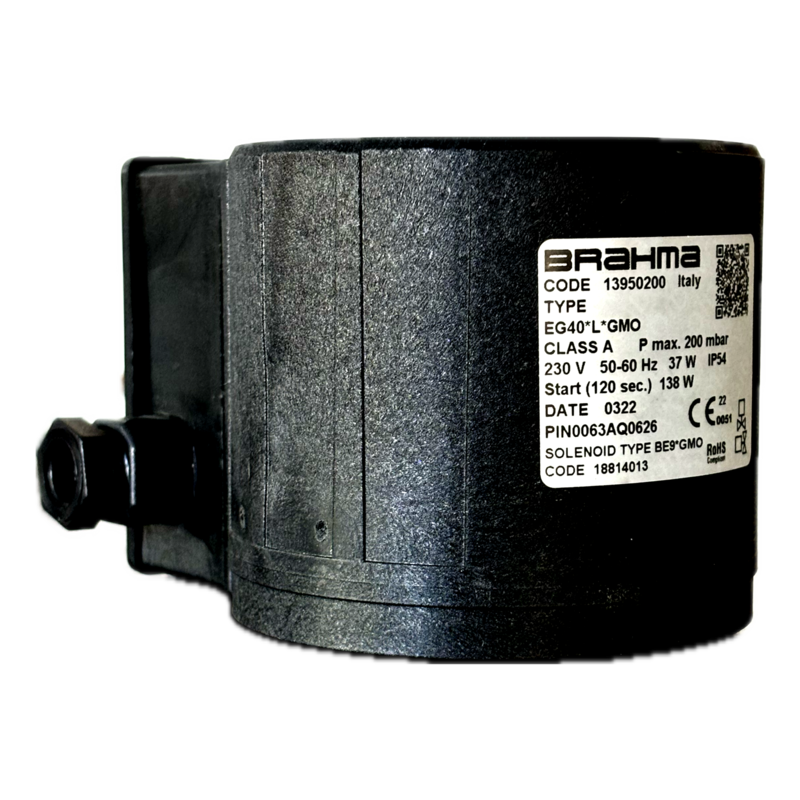
The solenoid valve coil is an essential electromagnetic component that controls the opening and closing of the solenoid valve. When the coil is supplied with electrical current, it opens the solenoid valve, allowing fuel to flow into the burner's combustion chamber. When the current is interrupted, the coil ceases to generate a magnetic field, allowing the solenoid valve to close and stop the flow of fuel.
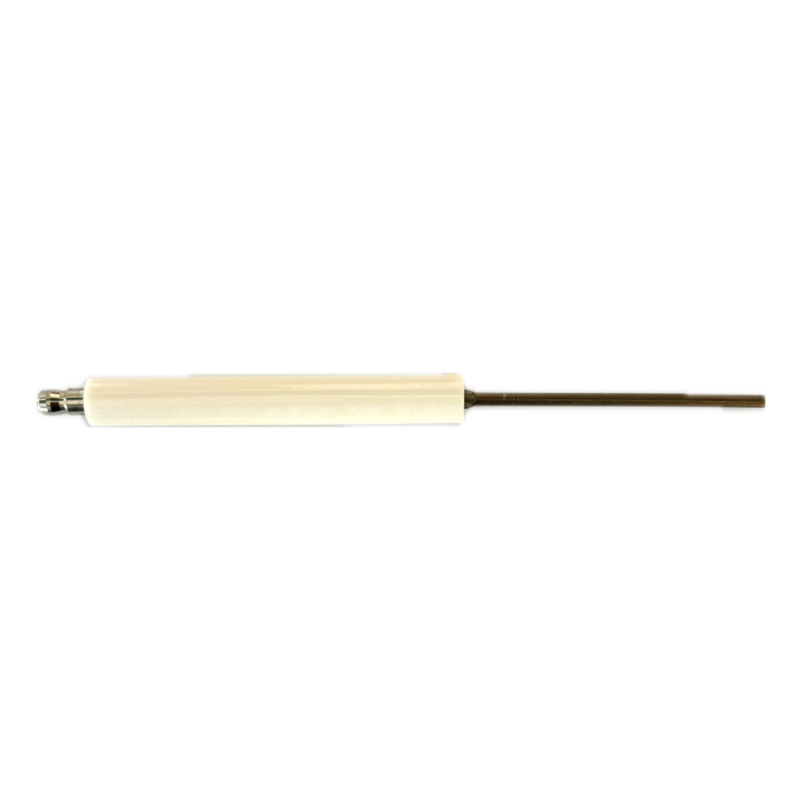
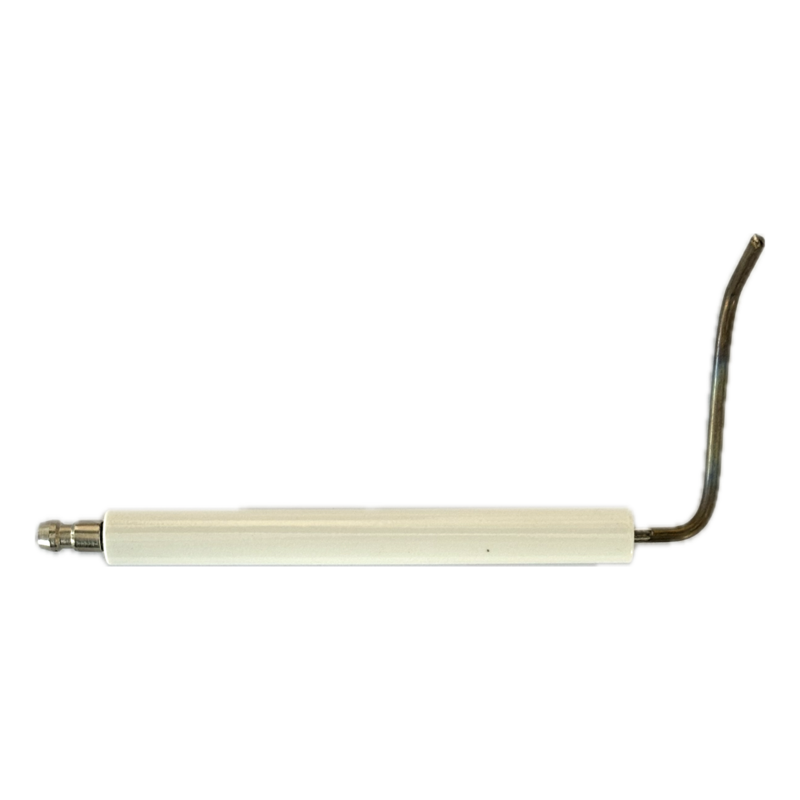
The ignition electrode is responsible for creating a spark to ignite the pilot or main flame in a gas burner.
The ignition electrode is made of a conductive material, often metal, with a fine tip at the end. When electric current is applied to it, a high voltage is generated across the electrode tip, creating an electric spark.
The spark generated by the ignition electrode is used to ignite the pilot flame in a gas burner. The pilot flame is a small, constant flame that burns continuously and is needed to ignite the burner's main flame.
The ionization electrode is usually positioned close to the burner flame. When the flame is lit, it generates ions and the ionization electrode becomes conductive, signalling that the flame is present and combustion is in progress. If the flame goes out during burner operation, the ions generated by the flame disappear. The ionization electrode ceases to be conductive, signalling the burner's safety system to cut off the gas supply immediately to avoid any risk of unburned gas build-up and other potential hazards.
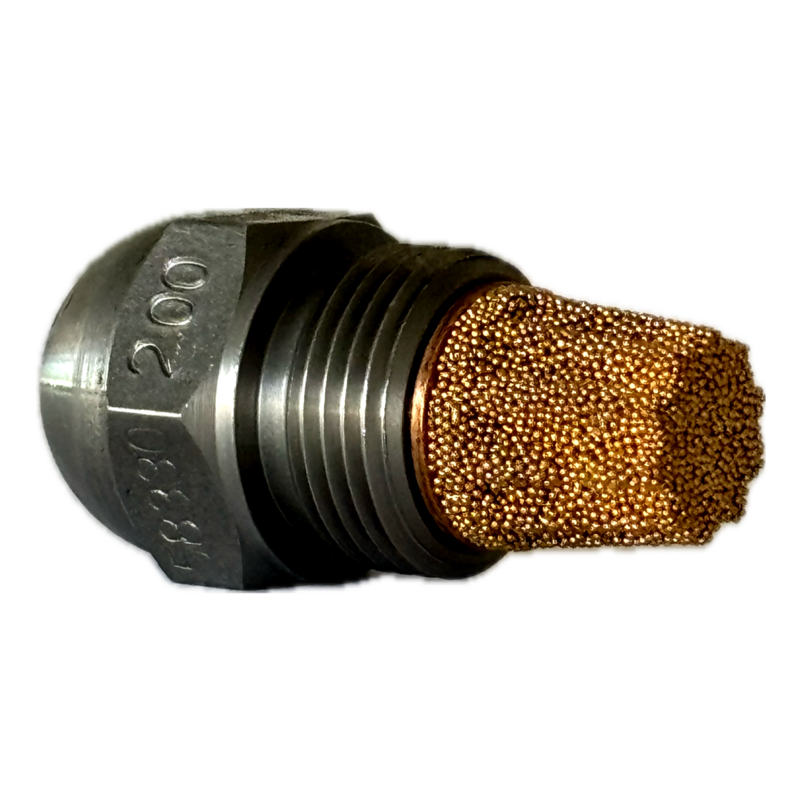
The nozzle is designed to atomize the fuel into fine droplets or a fine mist. This increases the contact surface between the fuel and the air, promoting more efficient and complete combustion.
The nozzle controls the flow of fuel injected into the combustion chamber. Its specific design, including orifice size and operating pressure, determines the fuel flow rate and thus influences the burner's combustion rate and output.
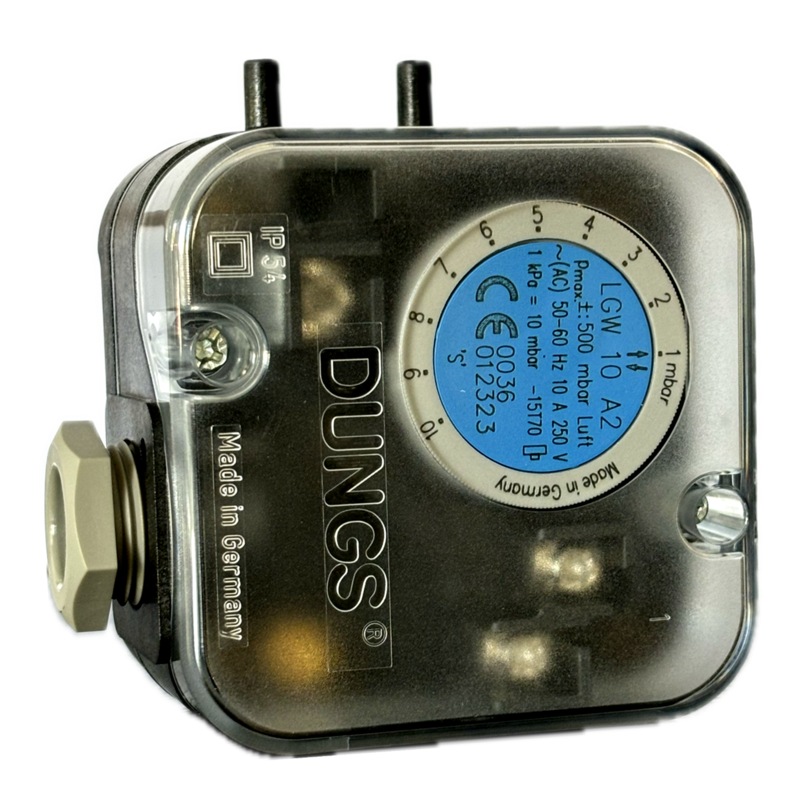
The pressure switch continuously measures fuel pressure. In the event of excess pressure, the pressure switch can deactivate the fuel supply to prevent damage to the system. Similarly, in the event of a drop in pressure, it can trigger alarms or safety procedures to prevent insufficient combustion or the risk of gas leaks.
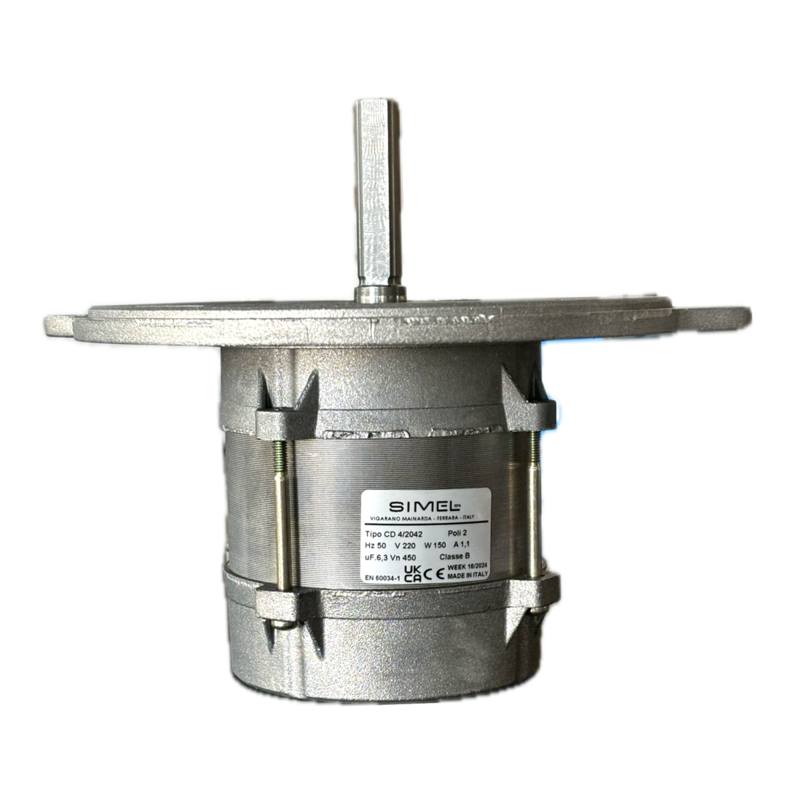
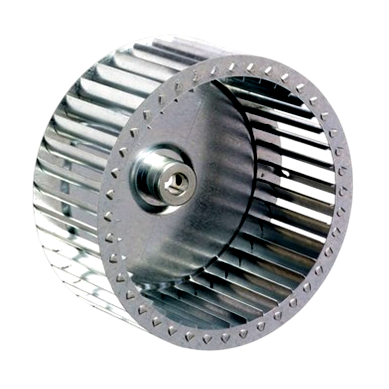
The fan draws air from the environment and directs it into the burner's combustion chamber. This air is essential for the combustion of the fuel (gas or oil) and helps maintain efficient, stable combustion.
The air flow supplied by the fan can be adjusted to control combustion in the combustion chamber. Adequate air flow is essential to ensure optimum combustion, avoid dead zones and minimize pollutant emissions.
In the case of gas burners, the fan can be used to mix the gas with the combustion air before they are introduced into the combustion chamber. This ensures even distribution of the fuel mixture in the combustion chamber, which is essential for homogeneous combustion.
The fan can also help cool burner components, such as ignition electrodes or electronic parts, by providing an air flow to dissipate the heat generated during operation.
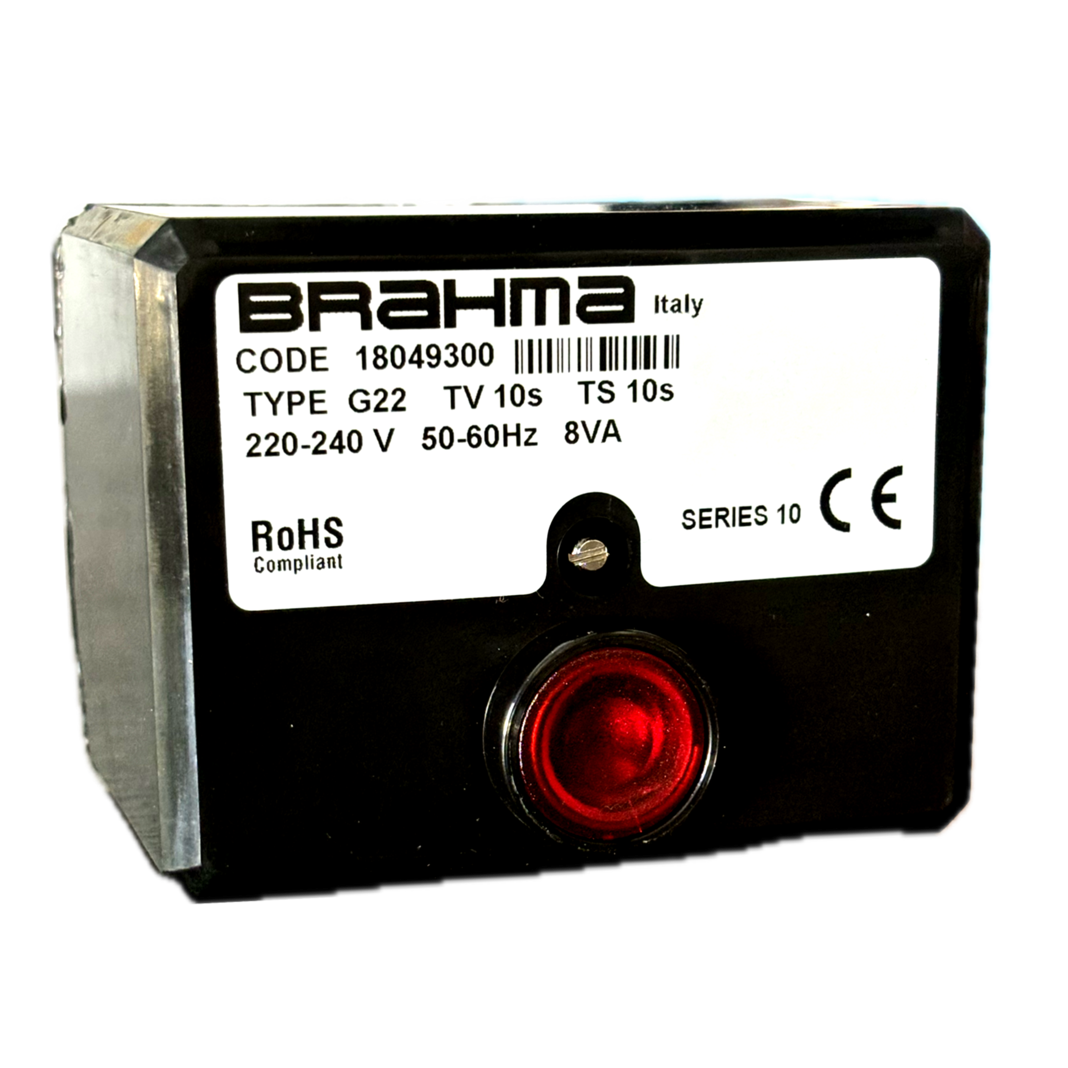
The burner control box plays a crucial role in the safety and operation of combustion systems, particularly boilers. It constantly monitors the presence of the flame via sensors, shutting down the burner if the flame goes out or fails to appear at start-up, thus preventing the risk of unburned fuel accumulating, leading to explosions. If a stray flame is detected, it also interrupts the process to prevent accidents.
The burner control box plays a crucial role in the safety and operation of combustion systems, particularly boilers. It constantly monitors the presence of the flame via sensors, shutting down the burner if the flame goes out or fails to appear at start-up, thus preventing the risk of unburned fuel accumulating, leading to explosions. If a stray flame is detected, it also interrupts the process to prevent accidents.